Protecting Earth's Eighth Wonder

Guardians
of the Ghats

The Western Ghats are alive — with 7,000 flowering plants, ancient rivers, and indigenous wisdom. But they are vanishing. Join the movement to protect, restore, and defend one of the world's most critical ecosystems.

1,600km
Mountain Range
325+
Endangered Species
50M+
People Depend on It
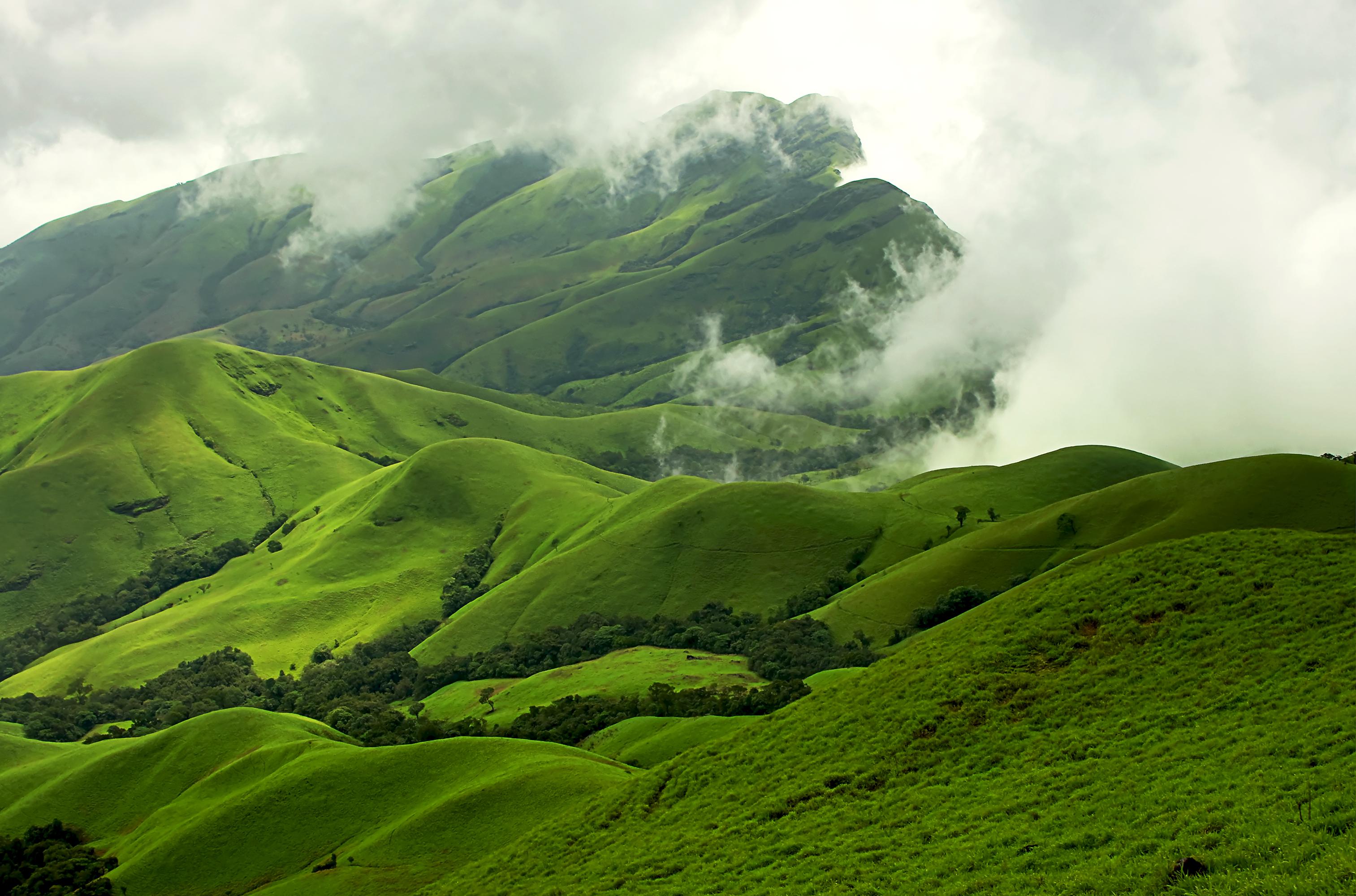
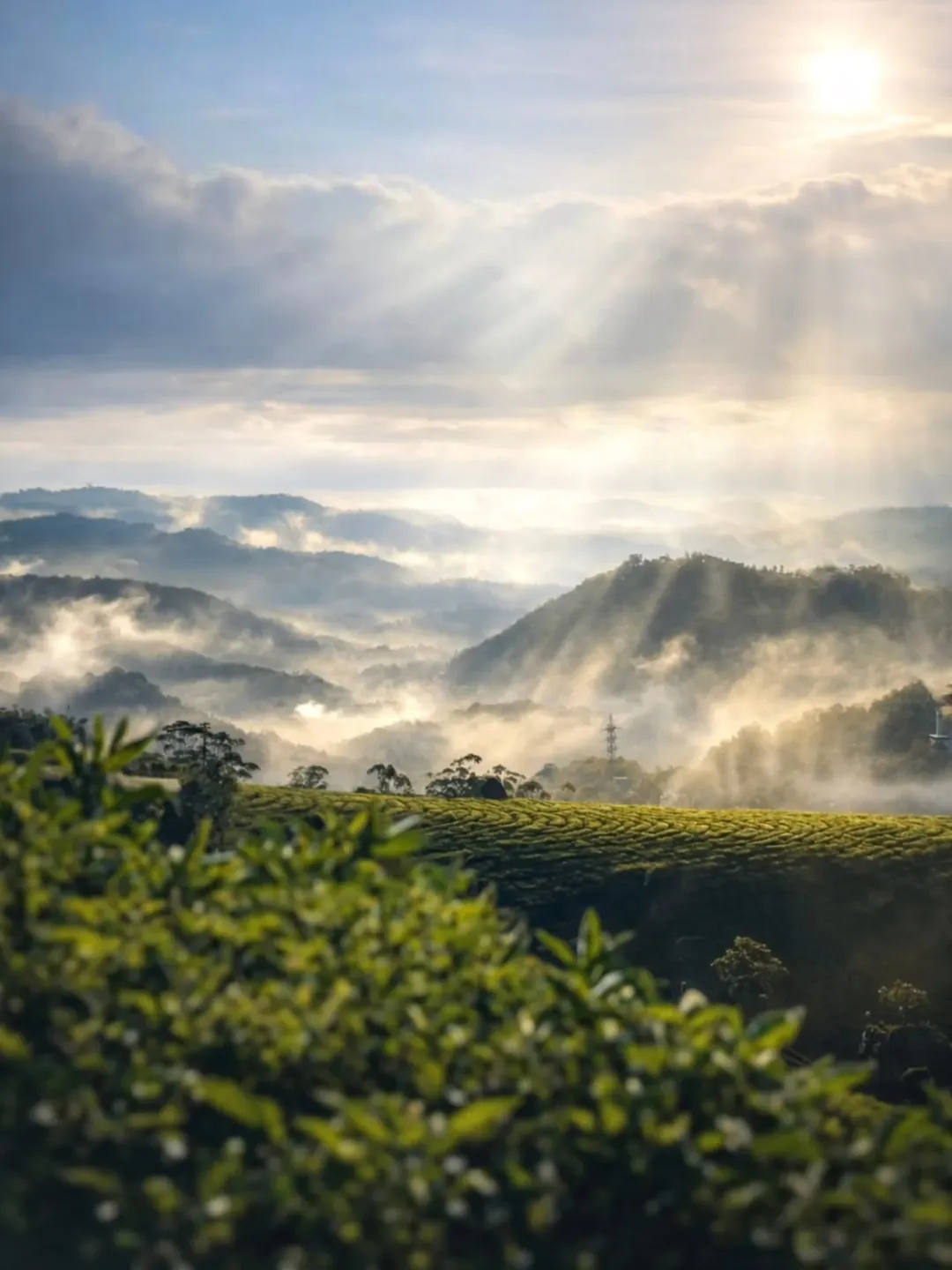
Panoramic view of misty evergreen forests in the Western Ghats, a UNESCO World Heritage site
Sahyadri Range · Kerala
What We Protect

One of Earth's most irreplaceable living systems

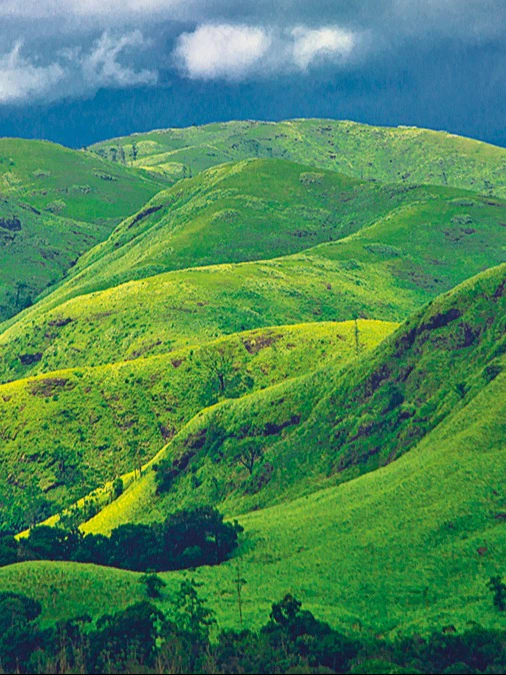
Stretching 1,600 kilometres along India's western coast — through Maharashtra, Goa, Karnataka, Kerala and Tamil Nadu — the Western Ghats, or Sahyadri, are among the eight "hottest hotspots" of biological diversity on the planet. They are older than the Himalayas, and harbour life found nowhere else on Earth.

Recognised as a UNESCO World Heritage Site, the Ghats intercept monsoon winds to feed the major rivers of peninsular India — the Godavari, Krishna, and Kaveri — sustaining hundreds of millions of people. Their dense forests sequester carbon, regulate rainfall, and anchor the subcontinent's climate.

But this ancient ecosystem is under unprecedented pressure. Guardians of the Ghats is a citizen awareness and conservation campaign, backed by Caresys Foundation, to mobilise communities, data, and action in its defence.
7,000+
Flowering plant species
160k km²
Total protected area
450+
Bird species
5 States
Across the Indian peninsula

What threatens the forest

Six converging pressures are pushing the Western Ghats toward an ecological tipping point that cannot be reversed.

🛣️

Habitat Fragmentation

Highways, railways, and mines slice continuous forests into isolated patches — cutting off migration corridors for Asian Elephants, Tigers, and hundreds of endemic species who need connected landscapes to survive.
🏗️

Rapid Urbanisation

Unchecked urban sprawl and the expansion of monoculture plantations erode endemic flora and fauna, increase carbon emissions, and accelerate soil degradation across the foothills and buffer zones.
🏖️

Unregulated Tourism

Pilgrimage and commercial tourism routinely exceed the carrying capacity of fragile ecosystems — causing water scarcity, solid waste crises, noise pollution, and forest degradation around critical wildlife habitats.
🌊

Renewable Energy Conflicts

While climate-friendly in intent, poorly-sited hydroelectric dams and wind farms disrupt critical watersheds, submerge biodiversity-rich valleys, and fragment the very ecosystems they aim to protect.
🌿

Invasive Species

Exotic plants like Lantana camara have colonised vast swathes of forest understorey, displacing native forage species and reducing the food availability that keeps wildlife within forest boundaries.
🌡️

Climate Disruption

Shifting rainfall patterns, rising temperatures, and intensified monsoons are altering shola-grassland ecosystems that took millennia to form — threatening freshwater security for tens of millions downstream.

A world of life found nowhere else

The Ghats are home to species so unique and irreplaceable that losing them would be an irreversible loss for all of humanity.

Bengal Tiger
Asian Elephant
Lion-tailed Macaque
Nilgiri Tahr
Malabar Giant Squirrel
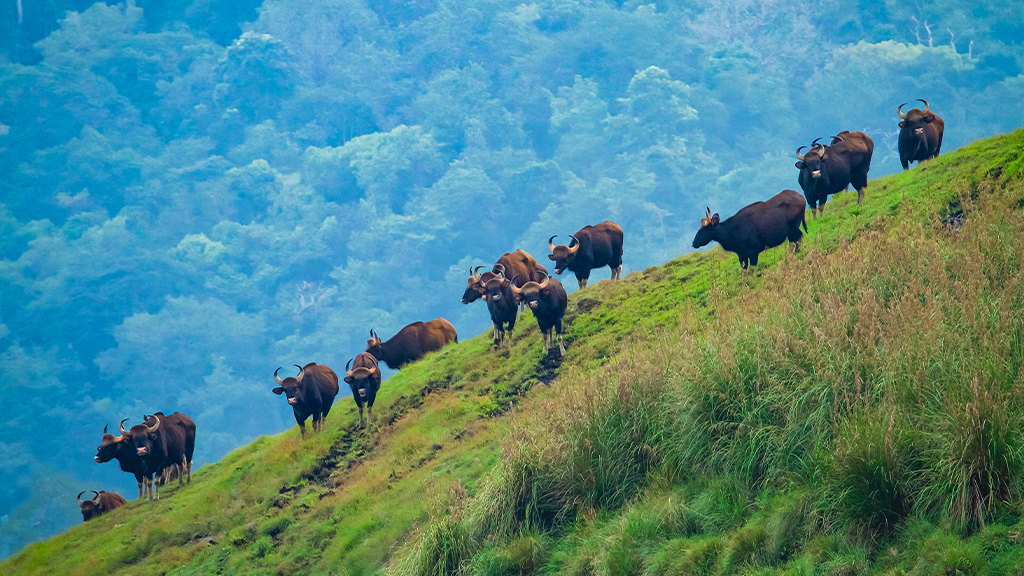
Indian Gaur
King Cobra
Purple Frog
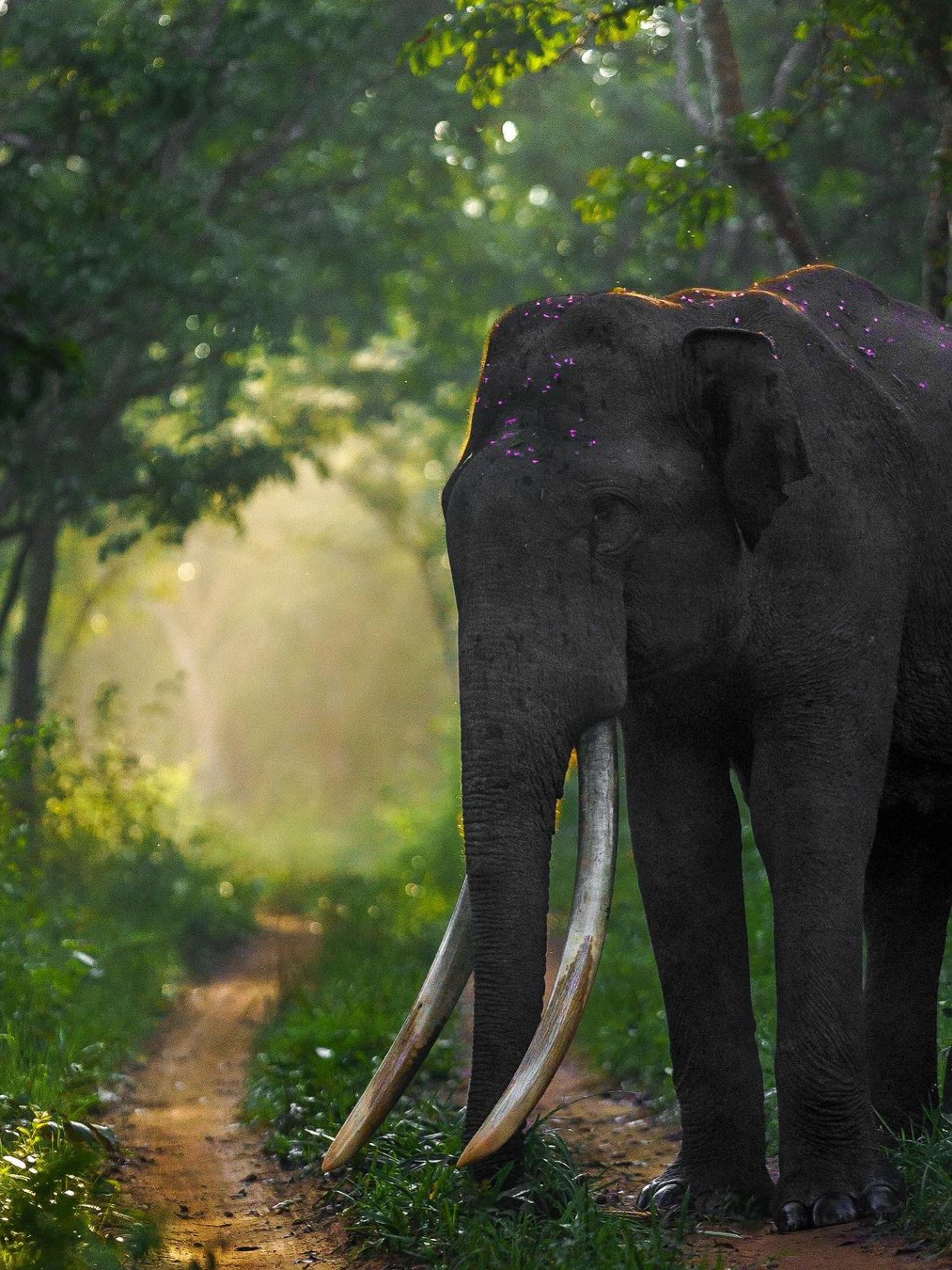
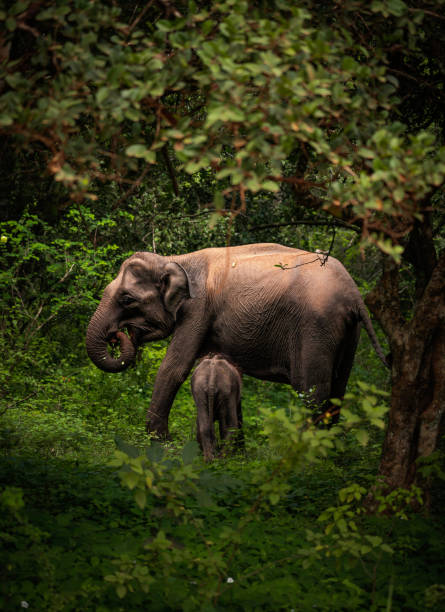
An Asian elephant wandering through the dense tropical forest of the Western Ghats
Asian Elephant · Vulnerable
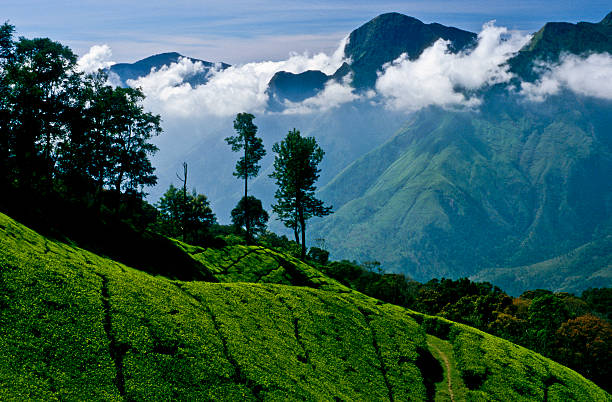
The misty peaks of the Nilgiri mountains, part of the Western Ghats range in India
Nilgiris Range
Sunlight filtering through a unique Shola forest and grassland ecosystem
Shola Forest

Indigenous Tribes are the first guardians

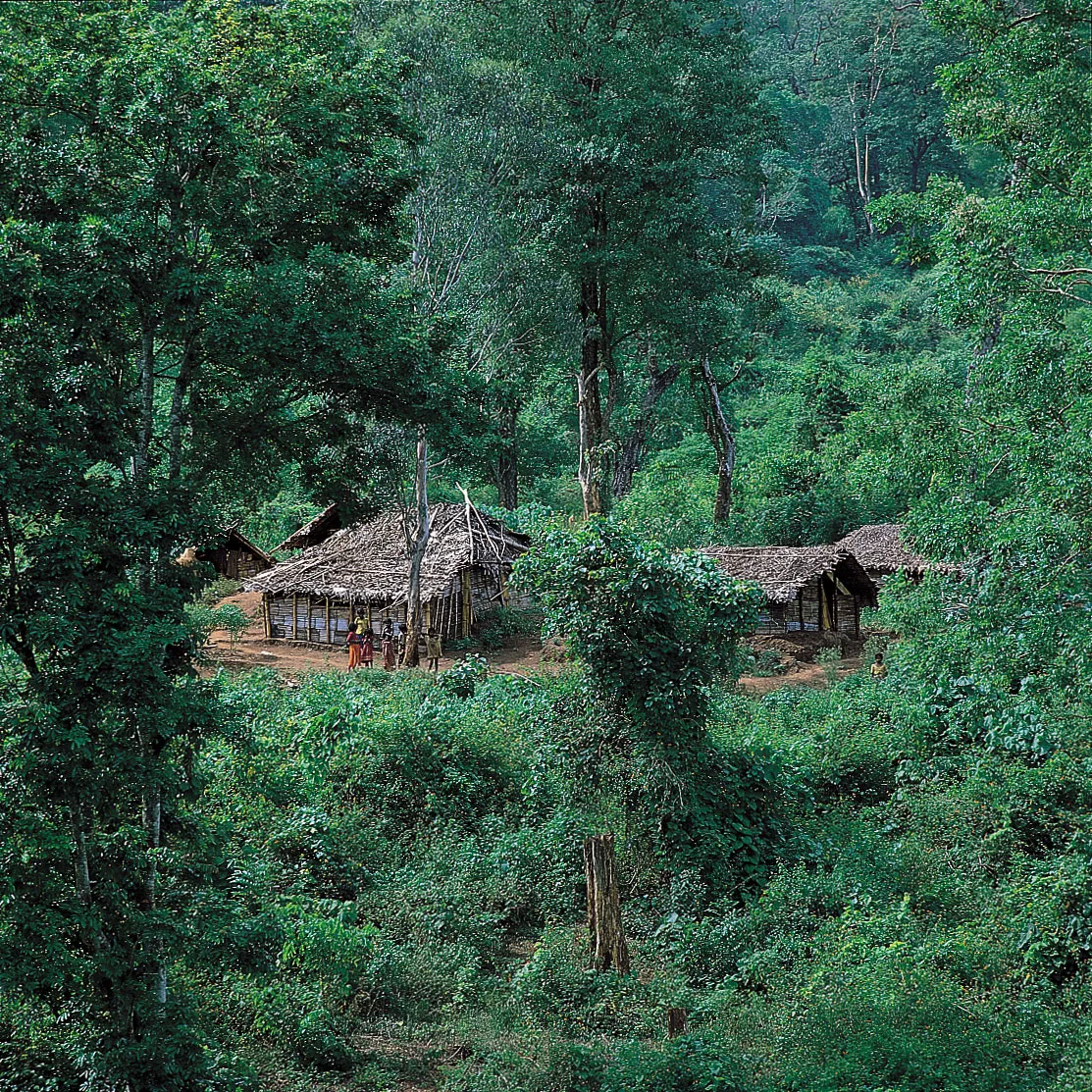
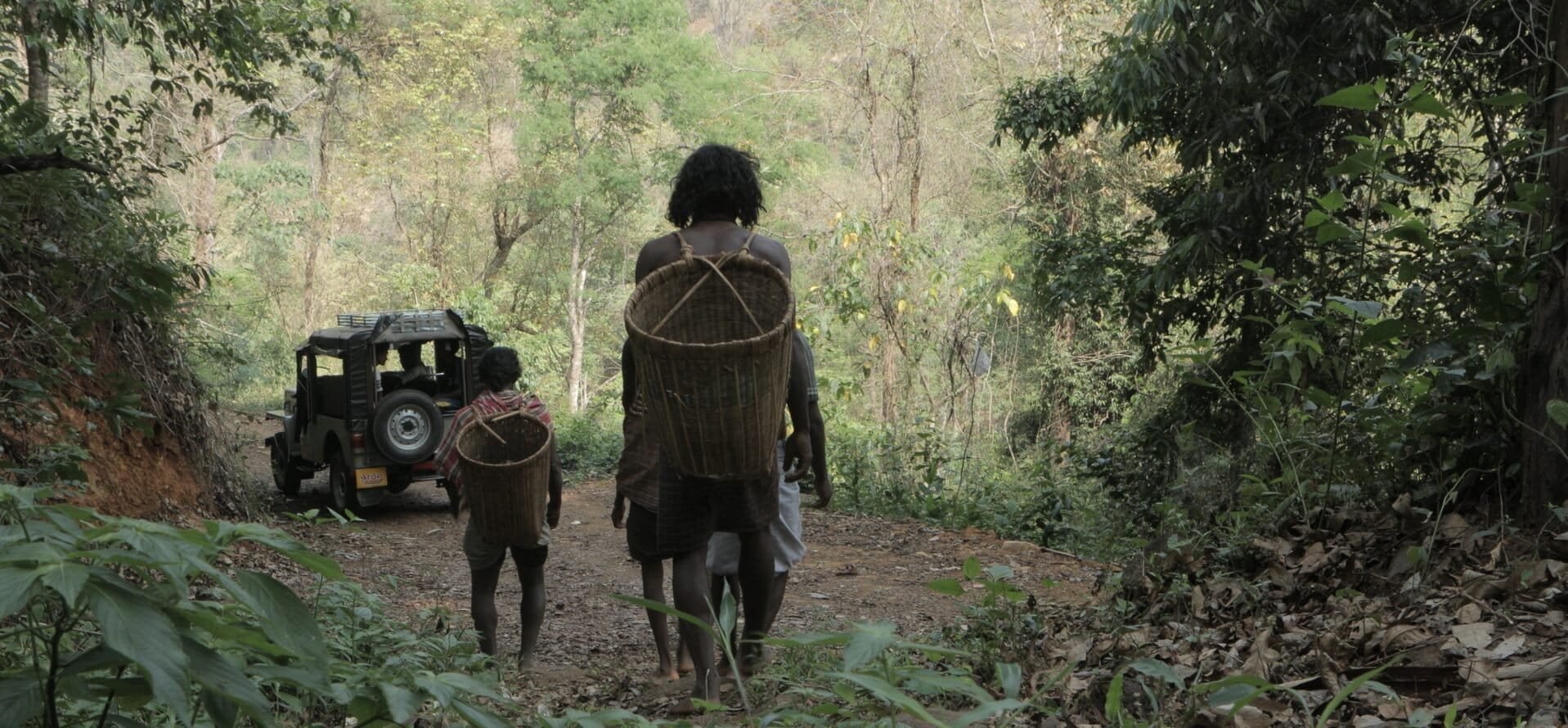
Indigenous Scheduled Tribes members who serve as the traditional guardians of the Western Ghats
"The forest is not a resource. It is a relative. We do not own it — we belong to it."
🏡

Traditional Guardians

Indigenous Scheduled Tribes across the Ghats have lived in symbiosis with the forest for millennia. Their traditional ecological knowledge is an irreplaceable asset for modern conservation — yet it is systematically overlooked.
📜

Forest Rights Act 2006 — Unfulfilled

In Kerala alone, nearly 47% of tribal households have never heard of the Forest Rights Act — the law meant to recognise their land and forest claims. Bureaucratic fragmentation and poor outreach leave their rights on paper only.
⚠️

Displacement & Erosion

Tourism development, "protected area" expansions, and modernisation pressures displace communities from the very lands they have stewarded — eroding the traditional conservation practices that no government programme can replicate.
🌱

Livelihood-Linked Conservation

Sustainable agriculture models — shade-grown coffee, spice cultivation, forest produce — allow farming communities to actively protect forest cover while improving household incomes. Guardians of the Ghats champions these models.

Human–Wildlife
Conflict

As settlements push deeper into forest edges, conflict is not an accident — it is the predictable outcome of shrinking habitat and broken food chains.

01

The Root Cause

Invasive plants like Lantana camara colonise forest understorey, eliminating native food plants for elephants and other herbivores. Hungry animals have no choice but to enter agricultural land in search of food.
02

The Human Cost

Crop raids and occasional attacks cause real economic hardship and loss of life in forest-edge villages. Fear and financial loss breed resentment — often expressed through retaliatory killings or illegal trapping of animals.
03

Deep-Tech Solutions

AI-powered monitoring systems analyse sensor data and camera feeds to alert villages of approaching elephants, giving communities 20–40 minutes of early warning. Paired with native grassland restoration, animals stay within forest boundaries.
04

Community Coexistence

Guardians of the Ghats works with Panchayats and local communities to create rapid-response protocols, shared early warning networks, and compensation frameworks that turn conflict into coexistence.
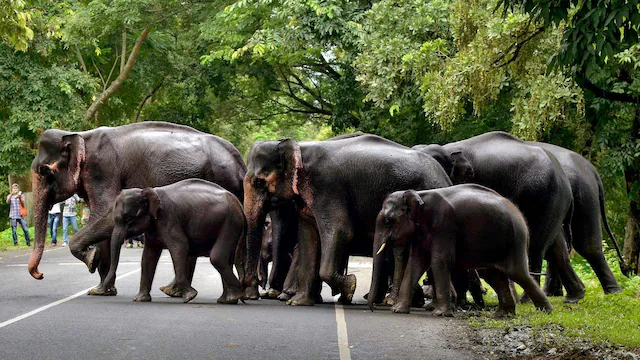
Asian elephant at the forest edge Coexistence between forest-edge communities and wildlife

Two visions for the same mountain

The future of the Ghats hinges on a contested policy battle between ecological integrity and developmental ambition.

2011

Gadgil Committee Report

The Madhav Gadgil Report recommended classifying the entire Western Ghats as an Ecologically Sensitive Area, with radical community-led governance and strict development restrictions — prioritising the rights of nature and local communities.
Community-Led
2013

Kasturirangan Committee Report

The Kasturirangan Report reduced the protected zone to a fraction of the Gadgil recommendation, carving out land for developmental interests including mining, large infrastructure, and urban expansion — a compromise that scientists widely criticised as ecologically insufficient.
Development Bias
🏛️
Protected Areas
The Ghats host some of the world's largest populations of Tiger, Gaur, and Asian Elephant. Protected areas are critical — but their management must include, not exclude, the communities who live within and around them.
🏘️
Panchayat Empowerment
Effective conservation requires moving beyond centralised state authority. Local Panchayats must be empowered to handle watershed monitoring, carbon accounting, and land-use decisions — with technical support from initiatives like ours.
📡
Data-Driven Governance
IoT sensor networks, real-time satellite data, and AI-driven ecological dashboards can give local governments and communities the intelligence they need to make informed decisions — without waiting for Bengaluru or Delhi to act.

Beyond planting trees —
regenerating a world

Restoration is not replanting a monoculture. It is the painstaking, complex, community-driven work of bringing a living system back to life.

🌾 Shola & Grassland Revival

Projects in the Nilgiris are replacing invasive species with native shola forests — the ancient cloud-forest ecosystem unique to the Ghats. Each restored patch significantly improves water security and builds climate resilience from the roots up.

☕ Livelihood-Linked Conservation

Shade-grown coffee, cardamom, and spice gardens grown under a native forest canopy protect biodiversity while generating premium incomes for farmers. Conservation and livelihood are not opposites — they are partners.

💧 Watershed Restoration

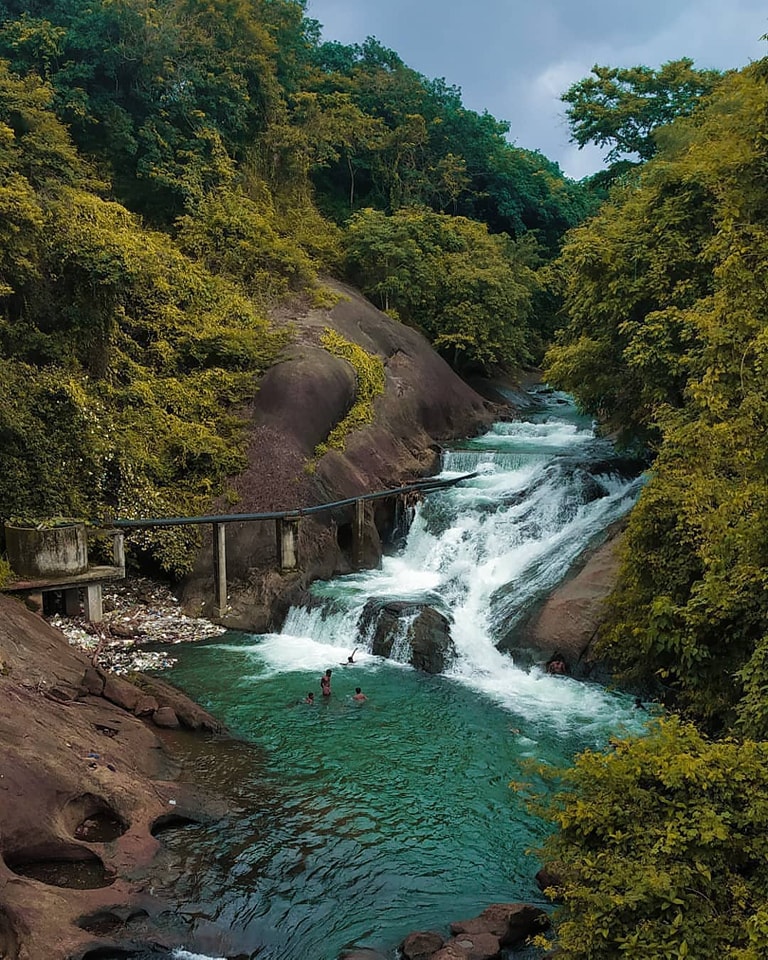
Restoring riparian vegetation and checking rainwater through simple earthworks recharges groundwater, reduces flooding, and maintains perennial river flow through the dry season — benefiting millions downstream.

🐘 Wildlife Corridor Creation

Strategic restoration of degraded forest patches along identified movement routes reconnects fragmented habitats — enabling elephants, tigers, and leopards to move safely between protected areas without conflict.
A successfully restored forest landscape in the Western Ghats restoration project area
Our Model
Sense → Analyse
→ Act → Scale
IoT sensors and citizen data feed AI analysis, which drives targeted community action, which gets documented and replicated across the Ghats and beyond.

A framework for enduring impact

Science without action is information. Action without science is guesswork. We bridge both.

01

Sense

IoT sensors, drones, satellites, and a network of citizen scientists collect real-time ecological data across the Ghats at unprecedented scale and resolution.
02

Analyse

Machine learning and AI surface patterns, risks, and opportunities hidden in complex environmental datasets — turning noise into intelligence.
03

Act

Insights are converted into targeted interventions — co-designed and co-executed with communities, local governments, and state agencies.
04

Scale

Every proven model is documented, open-sourced, and replicated across Kerala and beyond — turning local wins into systemic change.

The forest needs
all of us.

Whether you are a researcher, farmer, policymaker, teacher, student, or a citizen who has ever stood in these mountains and felt their ancient weight — there is a place for you in this work.

An initiative of Caresys Foundation · Section 8 Non-Profit · CIN: U72100KL2026NPL102329