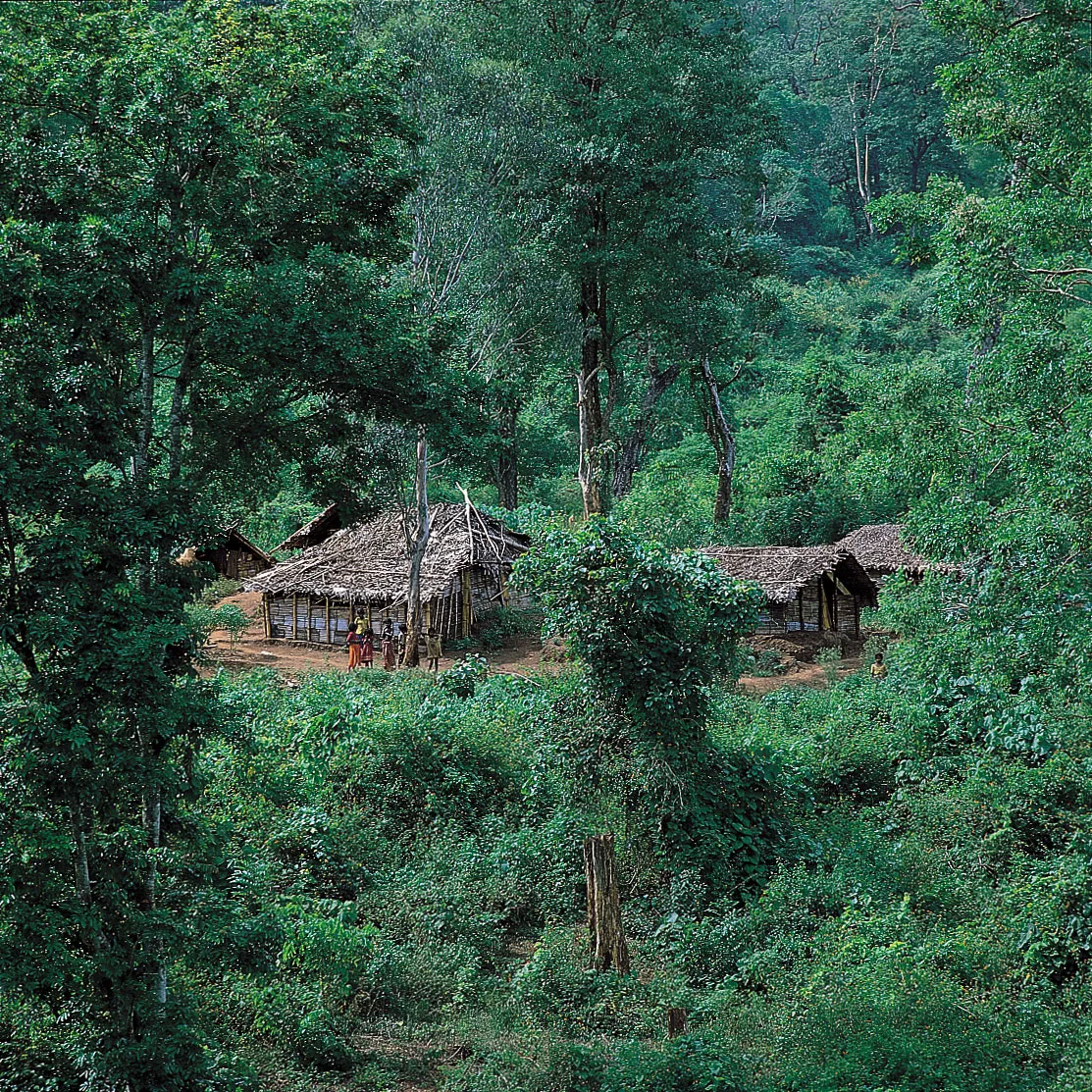
To walk through the evergreen rain forests of the southern Western Ghats at dawn is to witness an ecosystem in complete, breathtaking balance. Every canopy branch, every medicinal root, and every animal pathway belongs to a living tapestry that has survived for millennia. But what the casual traveler sees as "untouched, pristine wilderness" is actually something far more profound: it is a deeply nurtured landscape, strenthened and protected by generations of indigenous Scheduled Tribes.
Communities like the **Kadar**, **Cholanaikkan**, and **Kurumba** are not mere residents of the forest. They are its lungs, its stewards, and its first line of defense. Their traditional ecological heritage holds the key to surviving the modern climate crisis. Yet, across India's most critical biodiversity hotspot, the rights of these ancient guardians remain in a state of perilous insecurity. To save the forest, we must first raise our collective awareness and secure the legal rights of those who belong to it.
"The city looks at the jungle and sees board feet of timber, hectares of development, or a park to be fenced off from humans. But our ancestral grandfathers taught us that we do not own the forest. We are simply one of its children—and no child locks out its mother."
The Legend of the Forest Symbiosis
Modern conservation science is slowly discovering what indigenous tribes have practiced for five thousand years: that ecosystems thrive when traditional forest-dwellers remain on their land. For example, the Kadar tribe of Kerala possesses an extraordinary, hyper-detailed understanding of the endemic canopy tree species and the migration cycles of hornbills and elephants.
Unlike commercial models of agriculture that clear-cut land, tribal agricultural models are light and regenerative. They gather non-timber forest produce—such as wild honey, medicinal roots, and fallen leaves—using traditional harvesting techniques that ensure the species propagate year after year. By maintaining sacred groves (*Kavu*), they protect critical micro-habitats and groundwater recharge zones from any human interference.
A Striking Legal Paradox
Passed in 2006, the Scheduled Tribes and Other Traditional Forest Dwellers (Recognition of Forest Rights) Act—commonly known as the Forest Rights Act (FRA)—was designed to rectify the historical injustices of colonial-era forestry policies. It legally empowers communities to manage, protect, and hold titles over their ancestral lands. Yet, nearly two decades later, bureaucratic inertia and a lack of grassroots awareness leave millions of tribal titles unfulfilled.
The Invisible Crisis: Rights on Paper Only
True awareness begins when we confront the uncomfortable facts of conservation. While national parks are established and protected on paper, the communities living along the buffer zones are frequently treated as encroachers. Surveys in the high ranges of Kerala reveal a staggering gap in FRA implementation:
- Awareness Gap: Close to 47% of tribal households along the forested slopes have never received formal training or legal guidance regarding their rights to claim Individual Forest Rights (IFR) or Community Forest Rights (CFR).
- Structural Displacement: Eco-tourism developments and infrastructure corridors routinely slice through tribal settlements, pushing families into marginal colony encampments without their informed consent.
- Cultural Erosion: When a community is separated from its ancestral hills, the traditional language, tracking skills, and botanical wisdom of its elders dissolve within a single generation.
A Path Forward: Livelihood-Linked Conservation
The Caresys Foundation and local Panchayats are working to reverse this trend by establishing a model that links legal rights with sustainable livelihoods. By empowering the local *Gram Sabhas* (village assemblies), we are helping tribal communities claim legal ownership of their traditional zones and launch community-led enterprises.
From the collection of wild cardamom to the production of organic shade-grown coffee under the native forest canopy, tribal cooperatives are demonstrating that economics and conservation can be natural partners. When a community has secure legal title over its forest, it has both the dignity and the authority to resist destructive mining, illegal timber logging, and poaching.
True conservation is not about building walls to lock out humanity. It is about acknowledging that the Western Ghats have survived because of, not in spite of, their indigenous protectors. Fulfilling the Forest Rights Act is not a matter of bureaucratic charity—it is an ecological necessity for the future of peninsular India.