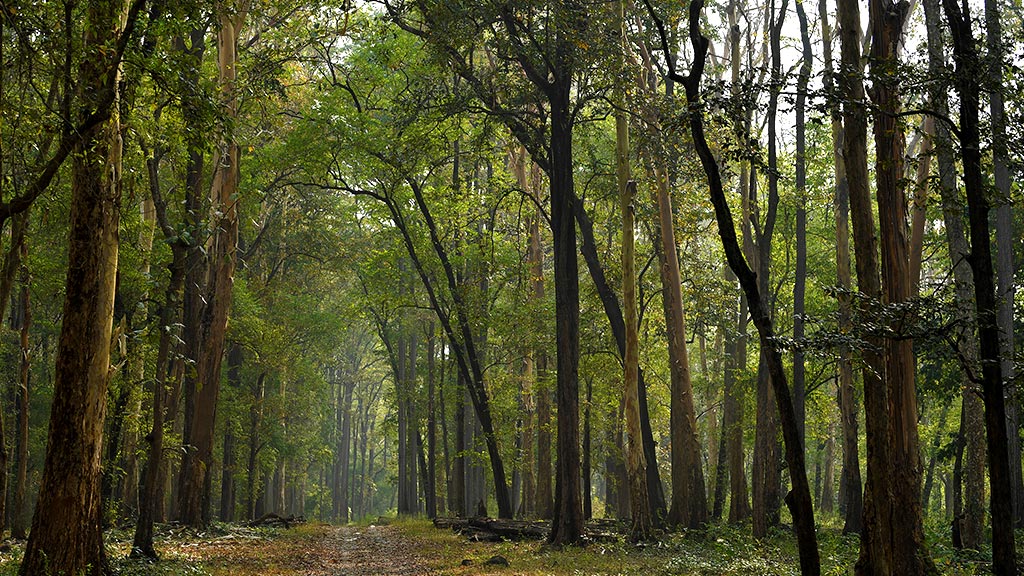
For generations, we have been taught to look at environmental conservation as the work of distant experts—academics in labs, forest department guards, or international non-profits. We read the news of disappearing forests and shrinking rivers, and we feel a deep, passive sense of helplessness. But true awareness begins when we realize that the most powerful scientific instrument on Earth is one we all possess: the power of active, curious observation.
You do not need a doctorate in botany or a professional research grant to help protect the Western Ghats. Across the Sahyadris, a quiet revolution is taking place—one where everyday hikers, students, tea-estate workers, and local residents are transforming their outdoor walks into vital ecological data. This is the world of **Citizen Science**, and it is the key to creating massive grassroots awareness.
"Science is not defined by high-tech equipment or lab coats. It is born of a simple, beautiful human act: looking closely at a leaf, a bird, or a stream, and documenting what you see."
The Power of Attentive Observation
The Western Ghats are home to thousands of endemic species—organisms found absolutely nowhere else on Earth. Many of these, like the vibrant Malabar Giant Squirrel or the elusive Nilgiri Pipit, are highly sensitive indicators of climate change and habitat quality.
When you learn to look closely and recognize these species, your outdoor walks transform. A forest trail is no longer just green scenery; it becomes an active, diverse ecological library. By simply observing, noting down dates, and taking clear photographs, you can actively help conservationists map the exact borders of endangered habitats.
Free Public Networks: iNaturalist and eBird
You don't need any specialized, custom tools to make a difference. Millions of global citizens are already using public, open-source platforms like iNaturalist and eBird to upload sightings, connect with international scientists who verify the species, and build the largest ecological database on Earth.
A Simple Checklist for Your Next Hike
Are you ready to step onto the trail as a guardian? Here is a practical, step-by-step guide to starting your journey:
- Practice Attentive Listening: Forest walks are often noisy with human chatter. Try walking in silence for ten minutes. Listen to the bird calls and look under logs and leaves—biodiversity is highly concentrated in the miniature understorey.
- Spot Endemics and Invasives: Learn to recognize a few key target species. Look for the bright purple frogs, the endemic hornbill nests, or the expanding yellow flowers of invasive *Lantana camara* which signal forest degradation.
- Photograph with Care: Take clear, well-lit photos showing both the detailed flower/leaf structure and the overall surrounding landscape. Always prioritize the safety of the plant or animal—never disturb wildlife or damage nests to get a photo.
- Log on Open Platforms: Upload your photos to globally verified networks. Every single observation helps researchers map species distribution and track how invasive species are moving over time.
From Individual Sightings to Systemic Action
One observation may seem insignificant, but when thousands of hikers, farmers, and students compile their observations, a powerful ecological map emerges.
Citizen data has already led to the discovery of new frog species in Kerala, identified previously unknown migration corridors, and prompted immediate government action to clear invasive weeds from critical micro-watersheds.
By raising your own awareness and engaging with nature not as a consumer, but as an active observer, you join a massive, democratic movement. The Western Ghats belong to all of us—and their defense begins with the simple, respectful act of paying attention.